Copper in Drinking Water: Sources, Risks & Removal Methods
Effects of Copper in Water and Removal Methods
Copper is a naturally occurring metal found in the Earth's crust, known for its reddish-gold color and high malleability. While it exists in water, soil, rocks, plants, and animals, you are most familiar with it through its use in electrical wiring, plumbing, and pre-1982 coins. Additionally, copper is essential for human health, supporting energy production, the nervous system, and the immune system. Most people meet the recommended daily intake of 0.9 mg of copper through their diet. However, excessive copper can lead to health issues and water quality concerns. Here are answers to common questions regarding copper contamination in water.
How Does Copper Get Into Drinking Water?
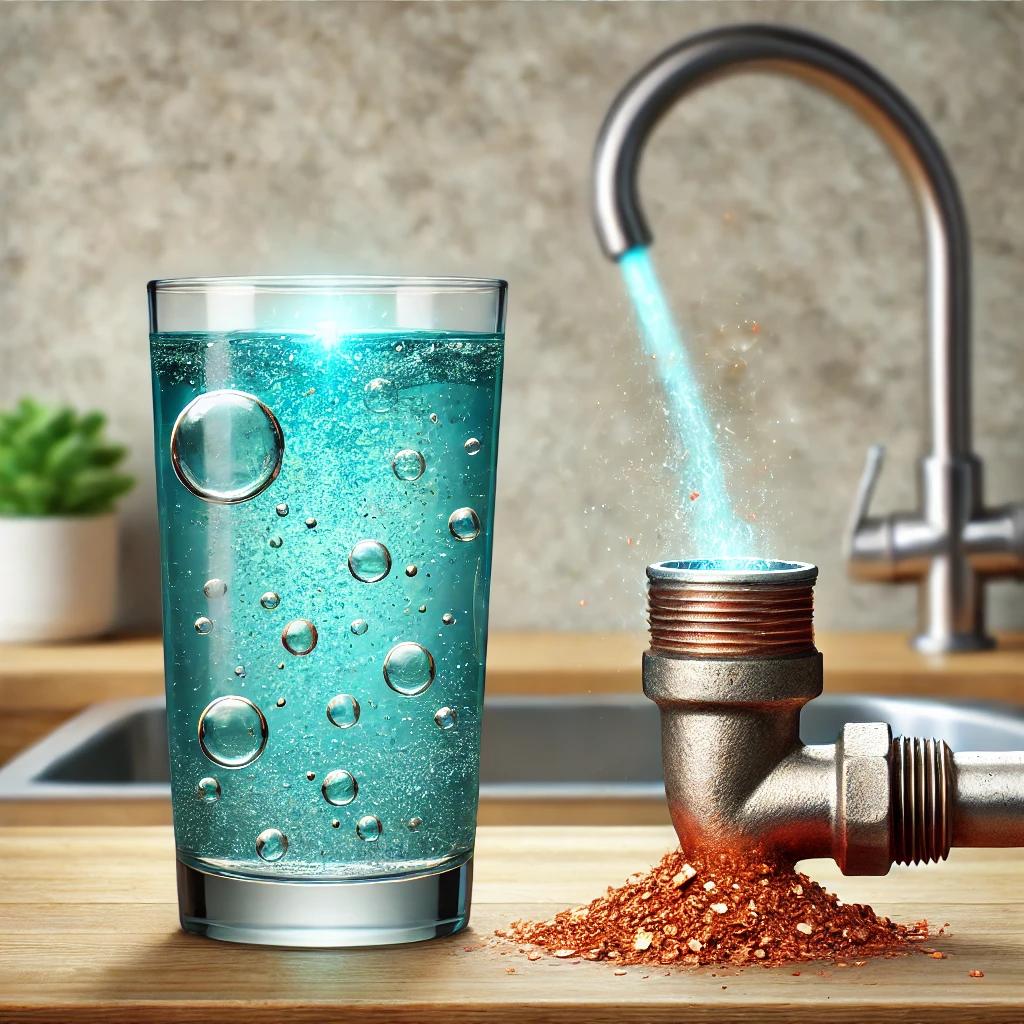
Copper enters drinking water primarily through the corrosion of copper pipes, faucets, and plumbing fixtures. Water running through aging copper pipes dissolves the metal, allowing it to mix into the water. Acidic or soft water, residual chlorine, and hot water accelerate corrosion, increasing copper contamination even in relatively new plumbing systems. When water remains stagnant in pipes for long periods, copper levels tend to rise.
If you use a well, copper contamination may originate from groundwater sources, though this is less common than pipe corrosion. Mining, agriculture, and industrial processes can introduce copper into groundwater. For example, copper-based pesticides and algaecides used in reservoirs can seep into underground water supplies through runoff.
Why Is Copper Used in Plumbing?
Copper has long been used in plumbing due to its antibacterial properties, rust resistance, and durability. After lead pipes were phased out due to their toxicity, copper became the industry standard for hard pipes. However, plastic PEX pipes are now widely favored over copper due to their lower cost, resistance to extreme temperatures, and easier installation.
What Are Safe Levels of Copper in Drinking Water?
According to the Environmental Protection Agency (EPA), the maximum safe level of copper in drinking water is 1.3 mg/L (ppm). The Lead and Copper Rule established in 1991 requires municipal water supplies to monitor copper and lead levels. If more than 10% of sampled taps exceed 1.3 ppm of copper, municipalities must implement measures to control contamination.
Symptoms of Copper Toxicity
Excessive copper consumption can lead to copper toxicity, resulting in:
-
Diarrhea
-
Vomiting
-
Fever and chills
-
Muscle weakness or convulsions
-
Jaundice
-
Kidney damage
Signs of Copper Contamination in Your Home
If copper is present in your water supply, you may notice:
-
Blue-green stains on sinks, showers, faucets, pipes, and appliances
-
A metallic or bitter taste in drinking water
How to Test for Copper in Water
Copper levels in water can be tested by sending samples to a state-certified laboratory or using an at-home test kit. While laboratory tests provide more accurate results, home test kits can give you an initial indication of contamination. Municipal water suppliers regularly test the water supply, and you have the legal right to request these results.
However, municipal tests do not account for household plumbing contamination, so if you suspect copper in your pipes, periodic testing is recommended.
How to Remove Copper from Water?
Copper can be removed from water through reverse osmosis (RO), distillation, and ion exchange. Since copper mainly enters water through household pipes, a whole-house filtration system is not a viable solution. Instead, point-of-use treatment systems should be installed to remove copper after the water has passed through the plumbing.
1. Reverse Osmosis (RO) System
Reverse osmosis forces water through a semipermeable membrane, filtering out copper and other contaminants. RO systems typically remove 97-98% of copper from water.
2. Distillation
Distillation purifies water by converting it into steam and then condensing it back into liquid form, leaving behind contaminants like copper. However, distillation is a slow process, making it impractical for most households.
3. Ion Exchange Process
Ion exchange systems use resin beads to trap copper and replace it with harmless ions like sodium, hydrogen, or hydroxyl ions. The most common ion exchange systems include:
-
Water softeners, which remove hardness-causing minerals such as calcium and magnesium, along with copper and iron.
-
Deionized water systems, which remove a wide range of contaminants and produce highly purified water.
To effectively remove copper, a point-of-use ion exchange system is recommended. A whole-house system may remove copper initially, but water can still pick up copper as it flows through your plumbing.
How to Reduce the Risk of Copper in Water?
-
Flush your plumbing system regularly: Let the water run for at least 30 seconds before using it, especially if a faucet has not been used for six or more hours.
-
Use cold water for drinking and cooking: Hot water dissolves copper more easily, leading to higher contamination levels.
How Does Copper Affect Pool Water?
Copper can stain pool surfaces and even discolor swimmers’ hair, nails, and swimsuits. If your hair or swimsuit has a greenish tint after swimming, copper is likely the cause—not chlorine. Copper may enter pool water from plumbing fixtures or be intentionally added to prevent algae growth. However, levels should be kept below 1.0 ppm to avoid staining. Regular testing of pool water is recommended.
Are Copper Water Bottles Safe?
Copper water bottles gained popularity in 2020, inspired by Ayurveda, an ancient Indian system of holistic medicine. Some claim that drinking water from copper bottles boosts immunity, improves joint health, and aids digestion. However, these claims lack scientific backing.
Since the average diet already provides enough copper, additional copper intake may not be necessary. Ingesting excess copper can lead to gastrointestinal issues and other health problems. If you are considering using a copper water bottle, consult a doctor first.