Energy Saving Methods and Efficiency Solutions in Pumps
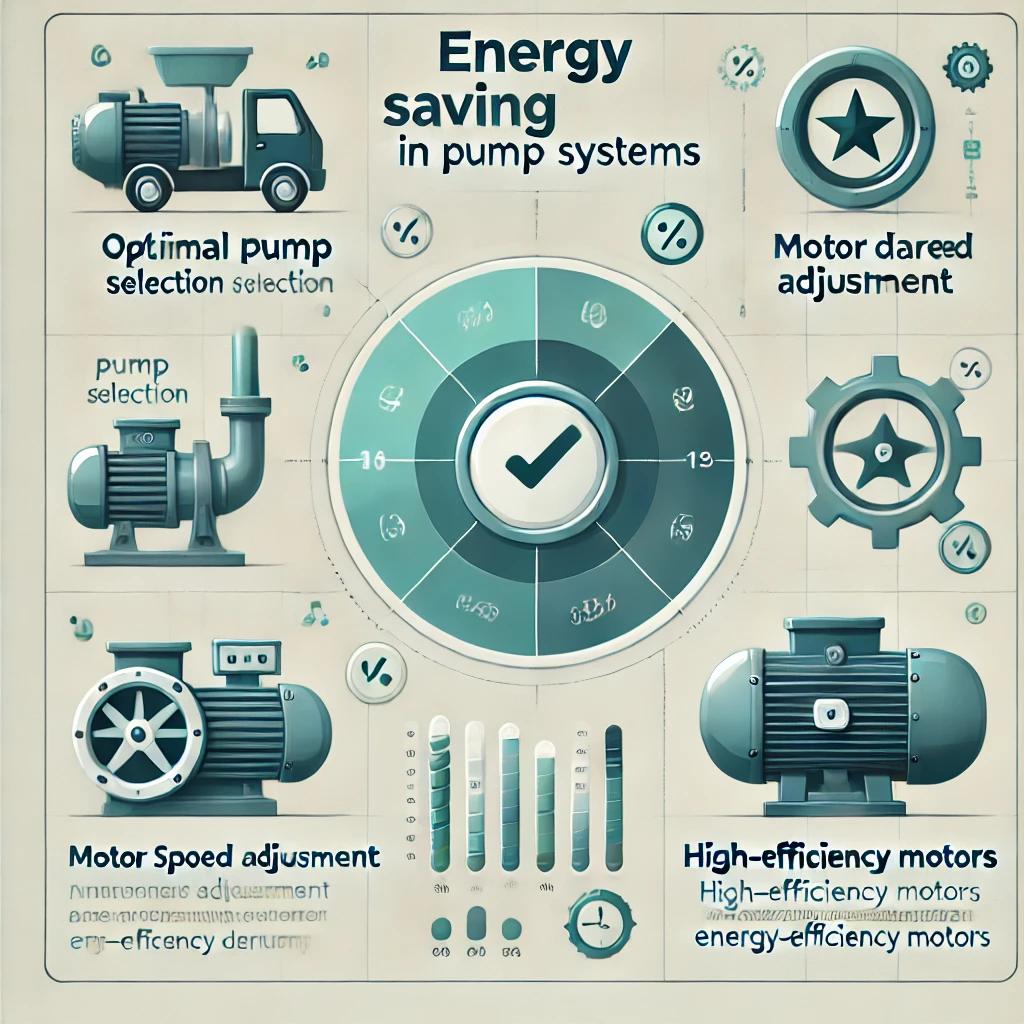
How to Achieve Energy Savings in Pumps?
Considering that approximately 10% of the world's electricity consumption is attributed to pumping systems, efficiency improvements in pumps hold significant potential for energy savings. Consequently, achieving energy efficiency not only reduces costs but also contributes to minimizing environmental impacts.
Several methods can be implemented to save energy in pumps. Here are the detailed explanations of these methods:
1) Optimal Pump Selection
Choosing the wrong pump for a system can lead to both energy losses and unnecessary costs. The pump selection should consider parameters like flow rate and head height, ensuring the most efficient pump for the system is chosen. Proper pump selection can significantly enhance energy efficiency.
2) Adjusting Motor Speed Frequency
Inverter systems that control motor speed frequency allow pump performance to be optimized according to demand. This method can reduce energy consumption by up to 30%. Particularly in systems with variable flow requirements, adjusting motor speed prevents waste.
3) Adjusting Impeller Diameter
Changing the impeller diameter is an effective way to tailor pump performance to the system's needs. By reducing the impeller size, excessive energy consumption is avoided, and system efficiency is increased. However, this adjustment should be carried out by experts to meet system requirements.
4) Using High-Efficiency Motors
High-efficiency motors, which offer significant energy savings compared to conventional motors, can substantially reduce operating costs. While the initial investment may be slightly higher, the long-term energy savings more than compensate for this cost.
The Importance of Energy Efficiency
Achieving energy savings in pumps is crucial for industrial facilities, agricultural irrigation systems, and water treatment plants. Efficient pump systems not only lower energy costs for businesses but also reduce carbon emissions, minimizing negative environmental impacts. Therefore, implementing solutions to enhance energy efficiency in pump systems has become a necessity.