Fire Cabinets: Selection, Installation, and Maintenance Guide
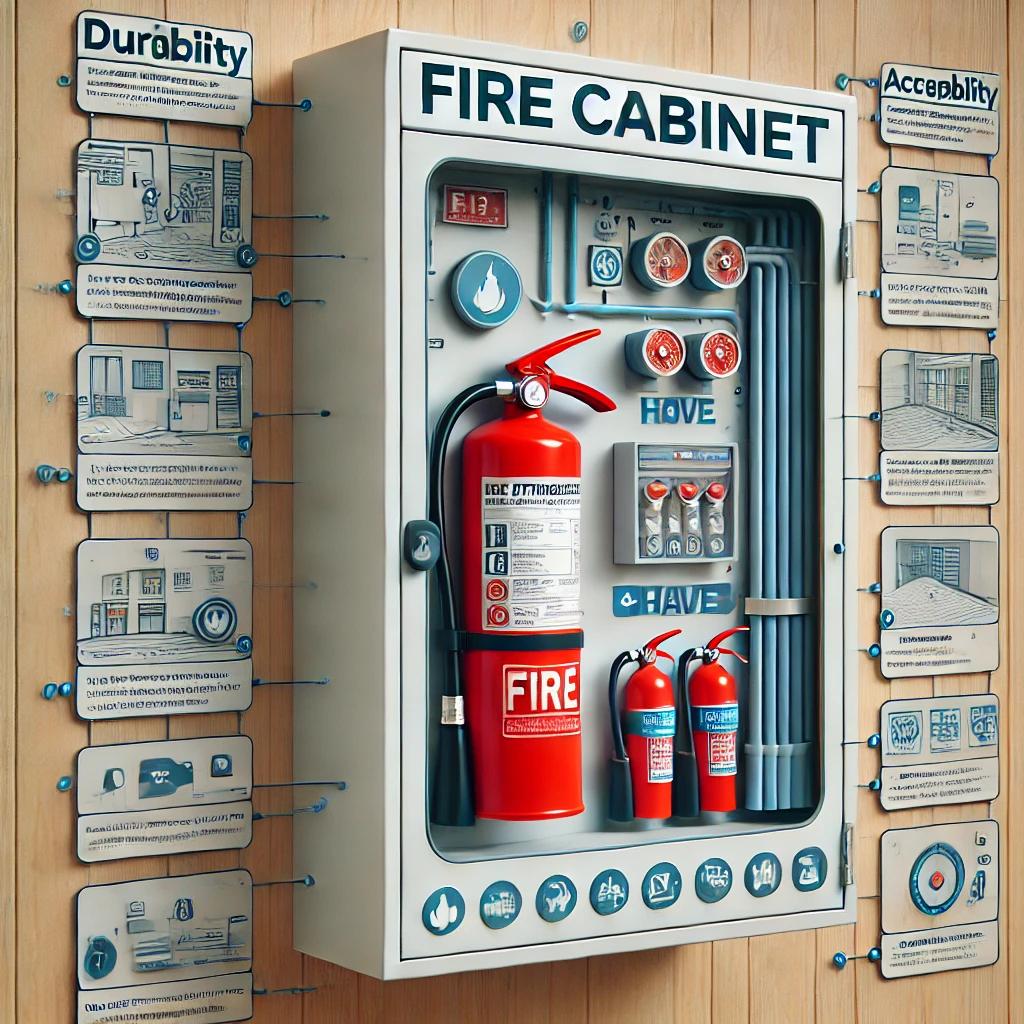
Key Considerations When Choosing Fire Cabinets
Fire cabinets house essential firefighting equipment, including extinguishers, hoses, and valves, ensuring quick access in emergencies. They play a crucial role in fire safety, making it essential to consider several key aspects when selecting one.
1. Quality and Durability
Fire cabinets must be designed to withstand harsh conditions. They should be resistant to fire, water, impact, and corrosion. A high-quality cabinet should comply with TS EN 671-1 and TS EN 671-2 standards and bear the CE mark, along with a warranty certificate and a detailed user manual.
2. Size and Capacity
The size and capacity of a fire cabinet should be determined based on the area it will protect and the equipment it will store. The cabinet should comfortably accommodate the fire extinguisher, hose, and valve. The required cabinet capacity depends on the size of the area needing protection.
3. Placement and Installation
Proper placement of fire cabinets is critical. They should be located near high-risk areas and in easily visible and accessible spots. Fire cabinets should be securely mounted on walls or floors, positioned at a minimum height of 1 meter and within a maximum distance of 30 meters.
4. Maintenance and Inspection
Regular maintenance and inspections are crucial. The cabinet’s door, hinges, locks, and glass should be checked periodically and replaced if damaged. The fire extinguisher, hose, and valve should be tested to ensure they are in working condition. Additionally, labels, warnings, and signs on the cabinet should be legible and up-to-date.
Conclusion
Fire cabinets are essential for protecting lives and property. By considering these key factors, you can choose the right cabinet and ensure effective fire protection in emergencies.