Hydroponic Farming: A Guide to Soilless Plant Cultivation
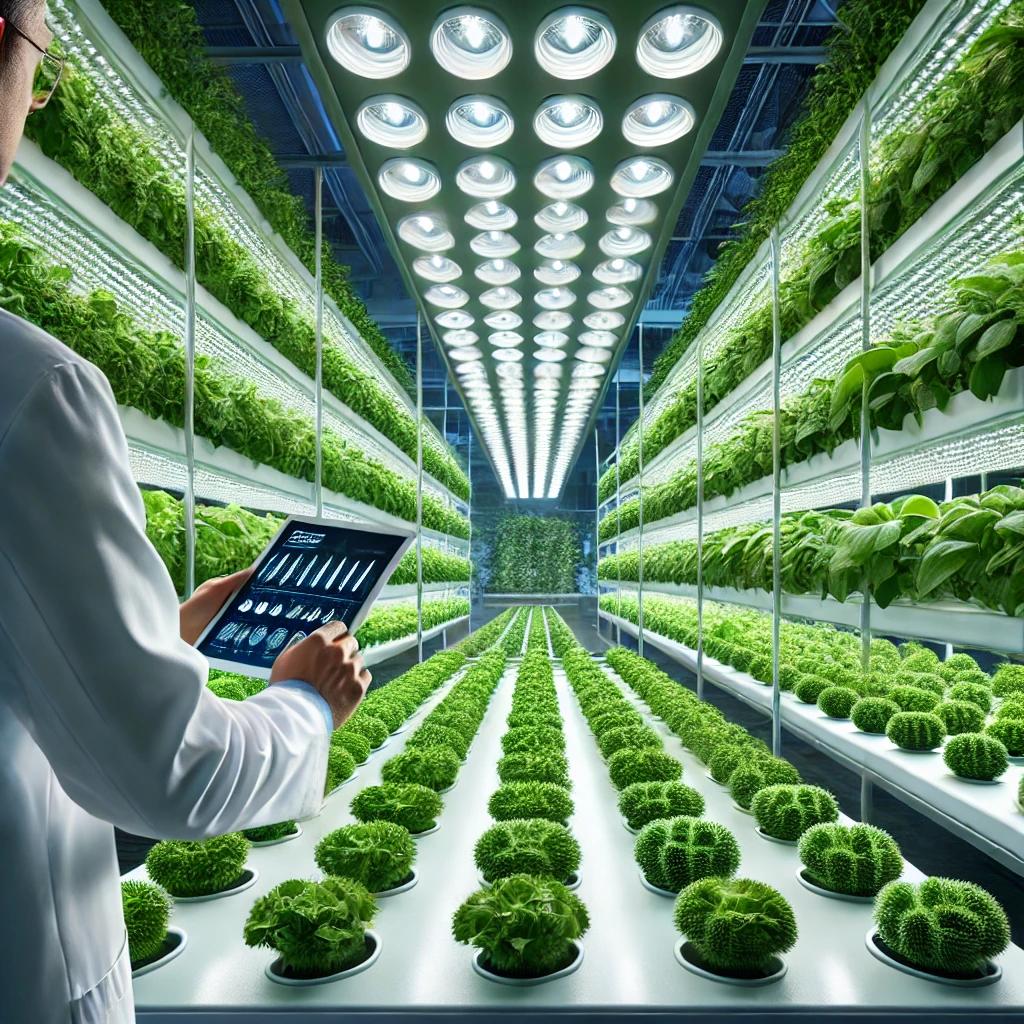
Soilless Farming: Growing Plants with Hydroponic Systems
Hydroponics, a Latin term meaning “working water,” is the art of growing plants without soil. Instead of relying on soil, water provides nutrients, moisture, and oxygen to plants. From watermelons to peppers and orchids, many plant species thrive under carefully managed hydroponic conditions. Compared to traditional agriculture, hydroponic systems use 90% less water, require minimal space, and accelerate plant growth through innovative designs.
The History of Hydroponics
While hydroponic technology may seem like a modern innovation, its origins date back centuries. One of the earliest examples is the Hanging Gardens of Babylon, one of the Seven Wonders of the Ancient World, where water was channeled from nearby rivers to irrigate the lush terraces. In the 13th century, Marco Polo wrote about witnessing floating gardens in China. However, hydroponics is far from being just an ancient agricultural method. In the 1990s, scientists experimented with growing bean sprouts in zero gravity, paving the way for sustainable agriculture in space. Today, hydroponics remains a revolutionary technique for conserving water and ensuring sustainable food production.
What is Hydroponics?
Hydroponics is a method of cultivating plants using nutrient-rich water instead of soil. Flowers, herbs, and vegetables are grown in specially designed environments where they receive oxygen, water, and essential nutrients directly. This system promotes faster growth, higher yields, and better-quality crops.
In traditional farming, plant roots continuously search for nutrients in the soil. In hydroponic systems, plants are given direct access to water and nutrients, reducing the energy they need to obtain sustenance. This allows the plant to redirect its energy toward growth and fruit production, resulting in larger, healthier harvests.
Plants sustain themselves through photosynthesis. Using chlorophyll, they capture sunlight to break down water molecules into hydrogen and oxygen. Hydrogen combines with carbon dioxide to create carbohydrates, which serve as plant food, while oxygen is released into the air. Soil is not necessary for this process—plants only need a reliable source of water and nutrients. Hydroponic systems optimize plant growth by delivering essential nutrients directly to the roots, making them more efficient than traditional irrigation methods.
How Do Hydroponic Systems Work?
Hydroponic systems operate by precisely controlling key environmental factors such as temperature, pH balance, and nutrient availability. These systems ensure plants receive exactly what they need at the right time.
By eliminating the uncertainties of outdoor farming, hydroponics provides a more controlled and stable environment. In soil-based agriculture, fungal diseases, pests, and wildlife can damage crops. Hydroponic systems prevent these issues, allowing plants to grow without external threats. Additionally, without soil resistance, seedlings develop faster, and the need for chemical pesticides is significantly reduced. As a result, hydroponic farming produces cleaner, healthier fruits and vegetables.
Key Components of Hydroponic Systems
To maintain an efficient hydroponic setup, several essential components are required:
1. Growing Medium
Since hydroponic systems do not use soil, plants grow in inert substrates that support their root structures and help distribute nutrients. These media do not provide nutrients themselves but help retain moisture and allow for nutrient absorption. Many hydroponic growing media are pH-neutral, ensuring the stability of nutrient solutions.
2. Air Stones and Air Pumps
To prevent plant roots from suffocating, hydroponic systems require proper oxygenation. Air stones distribute tiny oxygen bubbles throughout the nutrient solution, improving nutrient absorption. Commonly used in aquariums, air stones and pumps are readily available at pet stores and gardening centers.
3. Net Pots
Net pots are mesh containers that hold hydroponic plants while allowing their roots to extend freely. This design provides better exposure to oxygen and nutrients compared to traditional solid pots, enhancing drainage and promoting healthy root development.
What is the Best Water for Hydroponic Systems?
Water quality is a crucial factor in hydroponic farming. Tap water often contains chlorine, heavy metals, and other contaminants that can interfere with plant growth. For optimal results, hydroponic growers use reverse osmosis (RO) water.
RO water is purified by removing 98% of impurities, including salts, bacteria, and dissolved solids. This ensures that hydroponic plants receive only the nutrients intended for them. The high purity of RO water also prevents imbalances in nutrient solutions, making it the preferred choice for hydroponic farming.
Types of Hydroponic Systems
There are several methods of hydroponic farming, with six primary systems used worldwide:
1. Deep Water Culture (DWC) System
- Plants are suspended in a nutrient-rich water solution.
- Low maintenance and easy to set up at home.
- Ideal for growing lettuce and herbs.
2. Wick System
- Nutrients are delivered through a wick that absorbs water from a reservoir.
- Requires no electricity, making it a simple and sustainable method.
- Best suited for small plants but not effective for large crops.
3. Nutrient Film Technique (NFT) System
- Plants are suspended above a shallow stream of continuously circulating nutrient solution.
- Encourages rapid growth with minimal water usage.
- Suitable for lightweight plants like lettuce and strawberries.
4. Ebb and Flow (Flood and Drain) System
- A grow bed is periodically flooded with nutrient solution and then drained.
- Allows for the cultivation of larger plants like tomatoes and peppers.
- Requires careful monitoring to prevent root rot.
5. Drip System
- Nutrient solution is slowly dripped onto the plant roots.
- Suitable for large-scale hydroponic farming.
- Requires regular maintenance to prevent clogging.
6. Aeroponic System
- Plants are suspended in air while a fine mist delivers nutrients to their roots.
- Uses the least amount of water while maximizing oxygen exposure.
- More expensive to set up but highly efficient for commercial farming.
By choosing the right hydroponic system, you can grow fresh and healthy produce efficiently! ??