Renewable Energy and Mechanical Engineering: Sustainable Solutions for the Future
Introduction
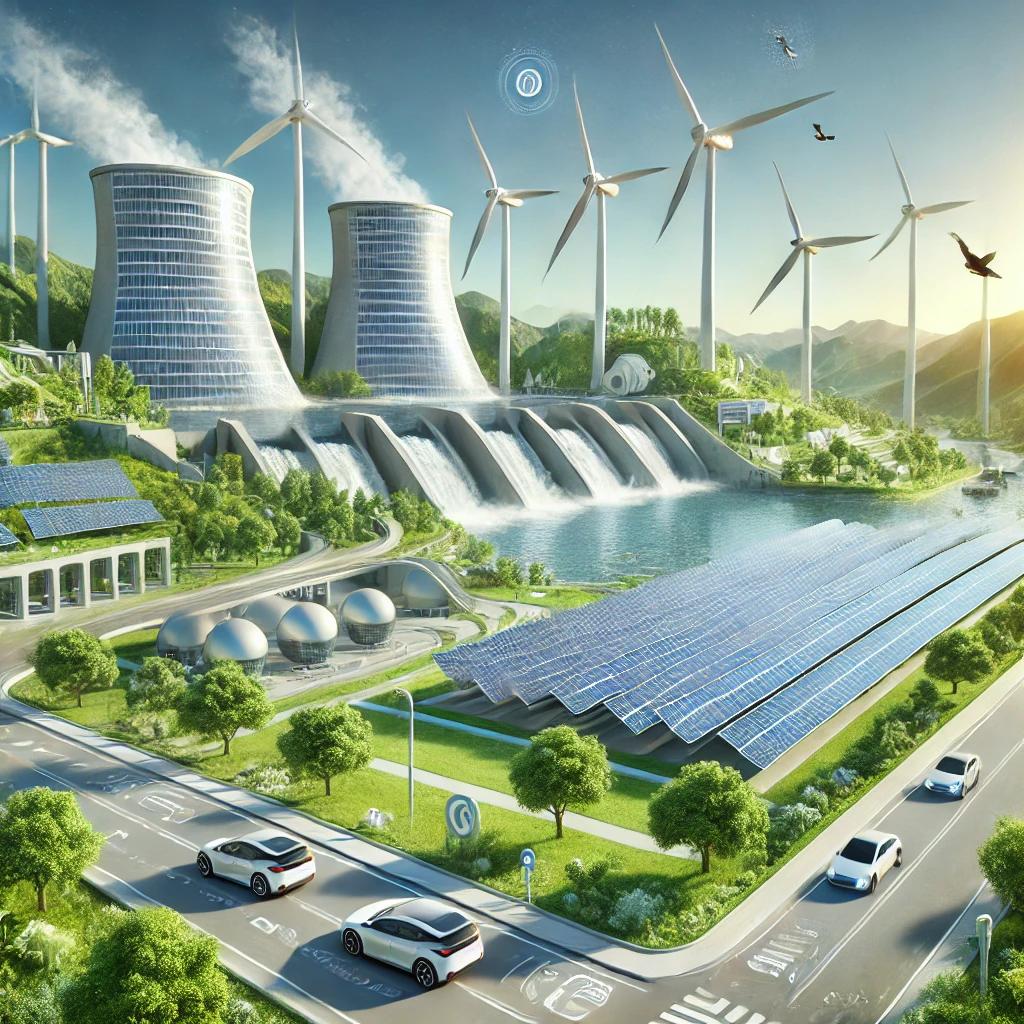
Renewable energy sources have become a rapidly growing field, helping to reduce dependence on fossil fuels and ensuring environmental sustainability. In this process, mechanical engineering plays a crucial role. From solar panels to wind turbines, hydroelectric plants to biogas systems, many renewable energy technologies become more efficient thanks to the innovations and advancements made by mechanical engineers. This article explores the intersection of renewable energy and mechanical engineering, innovative solutions, and future opportunities in this field.
1. The Connection Between Mechanical Engineering and Renewable Energy
Mechanical engineering is essential in designing, analyzing, maintaining, and improving energy generation systems. The efficiency of renewable energy systems depends on mechanical engineering principles such as material selection, aerodynamic design, heat transfer, and energy conversion processes.
- Energy conversion systems: Thermodynamics and mechanical design principles enhance energy efficiency.
- Material science: The development of lightweight, durable, and heat-resistant materials increases the lifespan of energy systems.
- Automation and robotics: Maintenance and repair processes of renewable energy systems are optimized.
2. Solar Energy and Mechanical Engineering
In solar energy systems, mechanical engineers work on thermal management, solar tracking systems, and energy storage solutions to improve efficiency.
- Thermal management: Cooling systems are designed to prevent photovoltaic (PV) panels from overheating.
- Solar tracking systems: Panels are optimized to follow the sun for maximum energy capture.
- Energy storage: Lithium-ion batteries and thermal energy storage solutions ensure uninterrupted energy supply.
3. Wind Energy and Mechanical Engineering
To maximize wind turbine efficiency, mechanical engineers focus on aerodynamic design, mechanical durability, and maintenance strategies.
- Aerodynamic optimization: Blade design is improved to capture wind energy more efficiently.
- Material engineering: Lightweight and durable materials increase turbine longevity.
- Autonomous maintenance systems: Robots reduce the risk of turbine failure through automated maintenance.
4. Hydroelectric Energy and Mechanical Engineering
Hydroelectric power plants rely on efficient turbine and pump designs developed by mechanical engineers to maximize energy output.
- Turbine design: Kaplan, Francis, and Pelton turbines are optimized for different water flow conditions.
- Fluid mechanics: Water flow is managed efficiently to minimize energy losses.
- Preventive maintenance: Advanced techniques ensure long-term durability of hydroelectric plants.
5. Biogas and Bioenergy Systems in Mechanical Engineering
Biomass and biogas systems convert waste into energy. Mechanical engineers optimize these processes for higher energy efficiency.
- Biomass combustion systems: High-efficiency boilers and gasification technologies are developed.
- Biogas production: Anaerobic digestion processes are optimized for maximum methane output.
- Cogeneration systems: Biogas is utilized for both electricity and heat generation, increasing efficiency.
6. Future Trends in Renewable Energy
Developments in mechanical engineering and renewable energy are shaping the future of sustainable and clean energy solutions.
- Advanced energy storage: Next-generation battery technologies and hydrogen fuel cells will become more prevalent.
- Smart grids: IoT and AI-powered energy management systems will optimize energy distribution.
- Carbon capture technologies: Innovative solutions will help capture and reuse atmospheric carbon emissions.
Conclusion
Mechanical engineering plays a crucial role in making renewable energy systems more efficient, durable, and sustainable. Technologies developed by engineers help maximize the effectiveness of solar, wind, hydroelectric, and biomass energy sources, paving the way for a cleaner future.
This field presents significant opportunities for engineers while continuing to shape the transformation of the energy sector.
Frequently Asked Questions (FAQs)
1. How does mechanical engineering contribute to renewable energy?
Mechanical engineering improves the design, analysis, and optimization of energy generation systems, enhancing the efficiency of renewable energy technologies.
2. What factors affect wind turbine efficiency?
Wind turbine efficiency depends on aerodynamic design, material selection, maintenance strategies, and site placement.
3. How can solar panel efficiency be improved?
Solar efficiency can be enhanced through solar tracking systems, thermal management techniques, and advanced materials.
4. What is the most efficient type of turbine for hydroelectric power plants?
The choice of turbine depends on water flow rate and height. Francis, Kaplan, and Pelton turbines are commonly used for different conditions.
5. How can biogas production be optimized?
Optimizing temperature, pH balance, and anaerobic digestion processes can maximize biogas production efficiency.
6. What are the key trends in renewable energy for the future?
Energy storage technologies, AI-powered energy management, and carbon capture systems will be among the leading trends in the renewable energy sector.