Reverse Osmosis: A Revolutionary Water Purification Technology
Introduction
Reverse osmosis is considered one of the most effective water purification methods today. This technology, used for both domestic and industrial purposes, removes harmful substances from water to produce purified water. However, there are many misconceptions about reverse osmosis systems. In this article, we will explore how reverse osmosis technology works, its advantages, and its disadvantages in detail.
What is Reverse Osmosis?
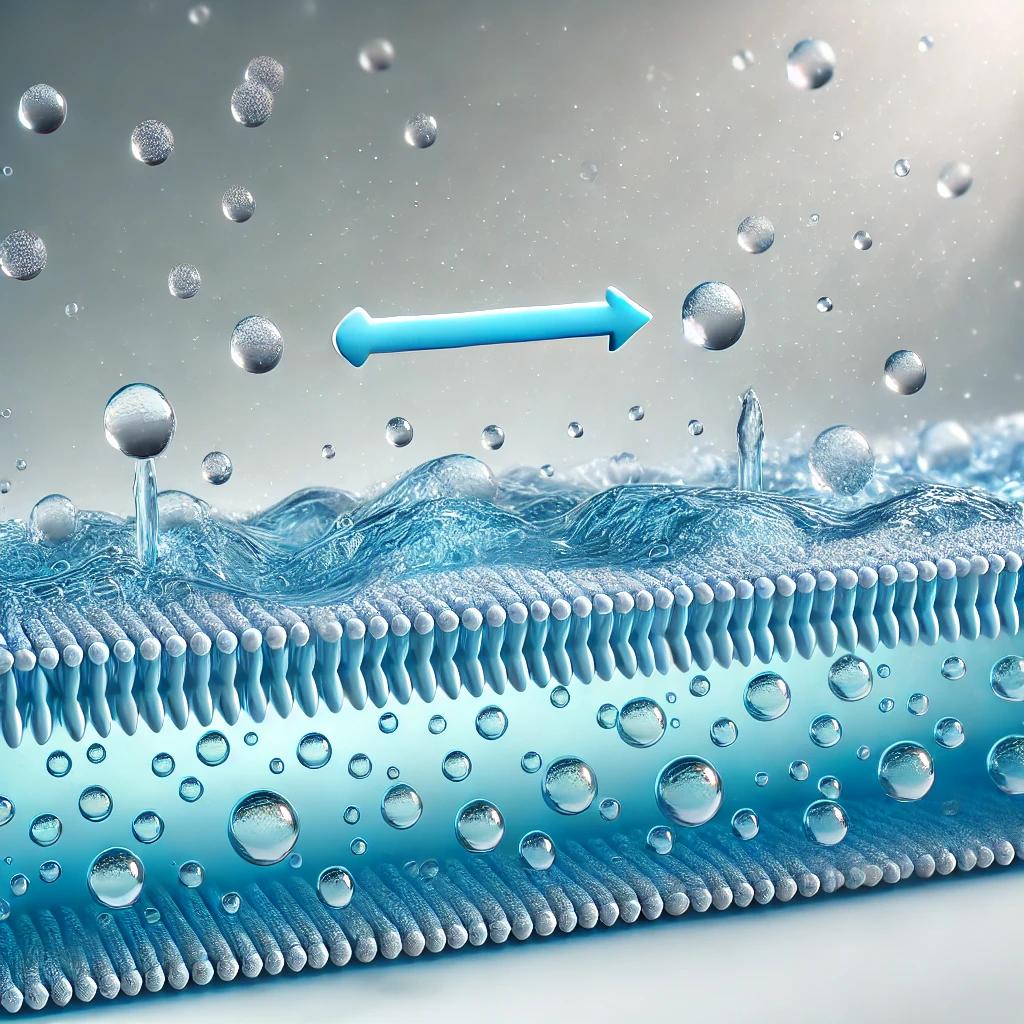
Reverse osmosis is a water purification method that uses high pressure to force water through a semi-permeable membrane, separating dissolved solids, heavy metals, bacteria, and other contaminants from the water. Unlike the natural osmosis process, this method works in reverse, ensuring purified water.
How Does Reverse Osmosis Work?
The reverse osmosis process occurs as water passes through a membrane filter. The steps are as follows:
- Pre-Filtration: Water passes through pre-filters to remove large particles and chlorine.
- High Pressure Application: Water is forced through the reverse osmosis membrane under high pressure.
- Membrane Filtration: The reverse osmosis membrane allows water molecules to pass through while trapping contaminants.
- Separation of Wastewater: Purified water and wastewater are separated, and the wastewater is discharged.
- Post-Filtration: The purified water passes through a final filter to enhance its taste before it is ready for consumption.
Advantages of Reverse Osmosis Systems
- High-Purity Water Production: Reverse osmosis removes up to 99% of heavy metals, viruses, bacteria, and chemicals from water.
- No Chemical Usage: Reverse osmosis systems purify water without using any chemicals.
- Wide Range of Applications: These systems are used in various fields, from household drinking water to industrial production processes.
Disadvantages of Reverse Osmosis Systems
- Wastewater Production: The reverse osmosis process produces some wastewater.
- Mineral Loss: Beneficial minerals may also be removed from water during purification.
- Regular Maintenance Required: Filters and membranes need to be replaced periodically.
What is the Difference Between Reverse Osmosis and Reverse Ozmosis?
The terms "reverse osmosis" and "reverse ozmosis" refer to the same technology. The difference lies in spelling variations. There is no technical distinction between them.
Conclusion
Reverse osmosis is one of the most reliable methods for obtaining clean and healthy drinking water. Widely used in homes and workplaces, this system effectively filters out harmful substances from water. However, factors such as wastewater production and mineral loss should also be considered. If you are looking for a way to obtain purified water, a reverse osmosis system may be an excellent choice for you.