Sauna: Types, Benefits, and Usage Guide
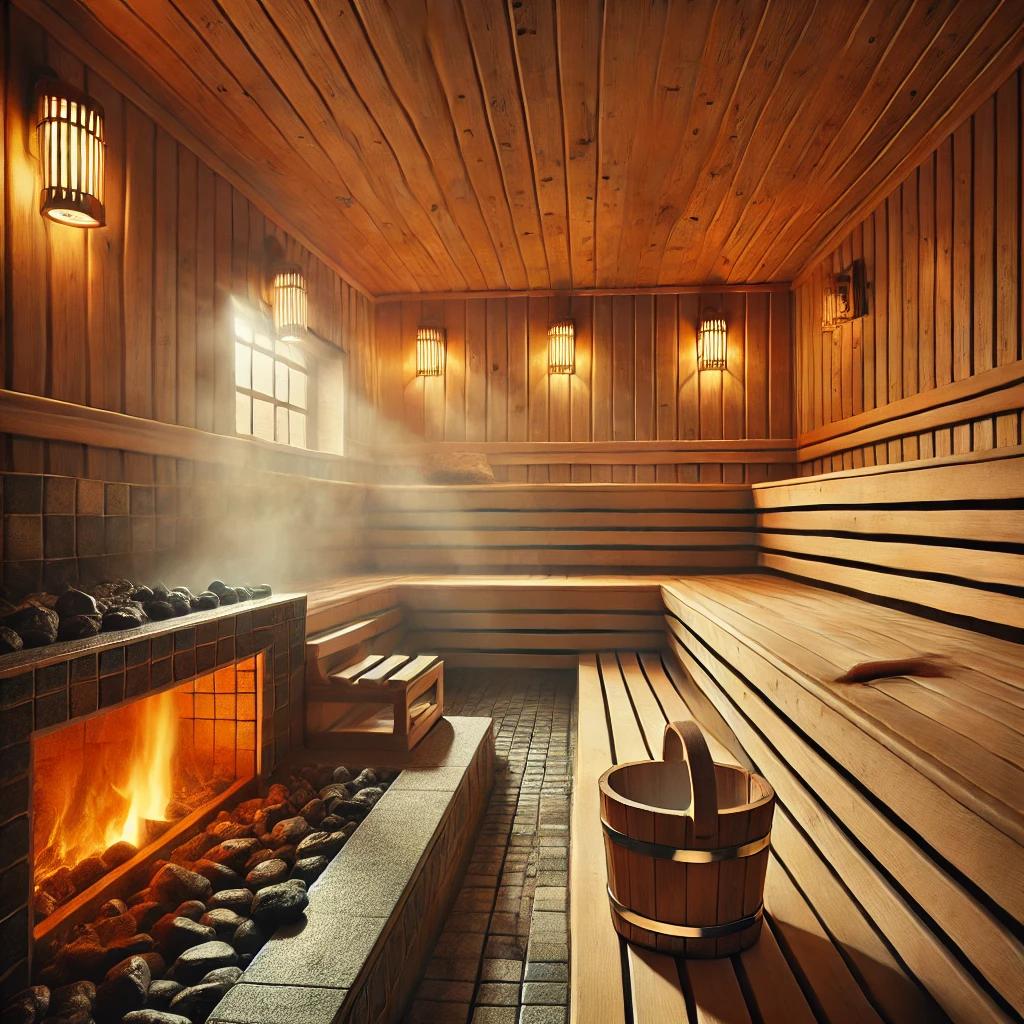
Sauna: Types, Benefits, and Usage Guide
| Heading | Subheadings |
|---|---|
| 1. Introduction: What is a Sauna? | - General definition of a sauna - The origins of sauna culture |
| 2. History of the Sauna | - The first saunas and their role in Finnish culture - Sauna traditions in different cultures |
| 3. Types of Saunas | - Dry sauna - Steam bath (Turkish hammam) - Infrared sauna - Smoke sauna |
| 4. Benefits of Sauna Use | - Detoxification through sweating - Muscle relaxation and stress relief - Effects on heart and circulation - Contribution to skin health |
| 5. Tips for Using a Sauna | - How to enter a sauna properly - Recommended duration - What to do after a sauna session |
| 6. Precautions When Using a Sauna | - Who should avoid saunas? - Things to avoid during sauna sessions |
| 7. Differences Between a Sauna and a Hammam | - Comparison between saunas and Turkish baths - When to choose a sauna vs. a hammam |
| 8. What is an Infrared Sauna? | - How infrared saunas work - Differences from traditional saunas |
| 9. Relationship Between Sauna and Exercise | - Using the sauna before and after workouts - Effects on muscle recovery and sports performance |
| 10. Home Sauna Usage | - How to set up a sauna at home - Portable sauna options |
| 11. Sauna and Weight Loss | - Does using a sauna help with weight loss? - The connection between saunas and metabolism |
| 12. Effects of Sauna on Mental Health | - Sauna and meditation - Impact on depression and anxiety |
| 13. The Most Famous Saunas in the World | - Traditional saunas in Finland - Japanese sauna culture |
| 14. Skin and Body Care After a Sauna | - How to moisturize the skin after a sauna - Natural oils and creams |
| 15. Conclusion: Keeping the Sauna Culture Alive | - The importance of sauna in modern life - The future of sauna traditions |
Sauna: Types, Benefits, and Usage Guide
1. Introduction: What is a Sauna?
A sauna is a heated room designed to promote sweating and relaxation, typically with low humidity. Originating from Finland, sauna culture has spread worldwide due to its numerous health benefits, both physically and mentally.
2. History of the Sauna
Saunas date back thousands of years. The earliest versions were simple wooden structures heated with hot stones. Finland is regarded as the birthplace of modern saunas, where they have been an essential part of daily life for centuries.
3. Types of Saunas
Saunas vary based on heating methods and humidity levels:
- Dry Sauna: Traditional Finnish sauna with high heat and low humidity.
- Steam Bath (Turkish Hammam): Higher humidity and lower temperature compared to saunas.
- Infrared Sauna: Uses infrared light to heat the body directly at lower temperatures.
- Smoke Sauna: One of the oldest sauna types, heated without a chimney.
4. Benefits of Sauna Use
- Detoxification: Sweating helps eliminate toxins from the body.
- Muscle Relaxation: Relieves muscle tension and reduces pain.
- Boosts Circulation: Enhances blood flow and supports heart health.
- Rejuvenates Skin: Opens pores and removes dead skin cells.
5. Tips for Using a Sauna
To get the most out of your sauna experience, follow these tips:
- Take a shower before entering.
- Stay hydrated and drink plenty of water.
- Limit sessions to 15-20 minutes.
- Cool down with a cold shower afterward.
6. Precautions When Using a Sauna
- People with high blood pressure or heart conditions should consult a doctor.
- Avoid alcohol consumption before or during sauna sessions.
- Do not enter a sauna on an empty or overly full stomach.
7. Differences Between a Sauna and a Hammam
Turkish hammams and saunas differ in heat and humidity levels:
| Feature | Sauna | Hammam |
|---|---|---|
| Temperature | 70-100°C | 40-50°C |
| Humidity Level | 10-20% | 90-100% |
| Purpose | Sweating and relaxation | Deep cleansing and purification |
8. What is an Infrared Sauna?
Infrared saunas operate at lower temperatures than traditional saunas. They use infrared light to penetrate the skin, providing deep muscle relaxation and improved circulation without excessive heat.
9. Relationship Between Sauna and Exercise
- Before exercise: Helps warm up muscles and improve flexibility.
- After exercise: Aids in muscle recovery and reduces soreness.
10. Sauna and Weight Loss
Although a sauna session may help shed water weight temporarily, it does not result in significant fat loss. However, it can boost metabolism and support weight loss when combined with a healthy lifestyle.
11. The Most Famous Saunas in the World
- Löyly Sauna (Finland)
- SaunaLand (Germany)
- Onsens (Japanese hot spring saunas)
❓ Frequently Asked Questions (FAQs)
1. Does a sauna help with weight loss?
Saunas help with water weight loss but do not directly burn fat. Long-term weight loss requires a balanced diet and exercise.
2. How often should I use a sauna?
2-3 times per week is recommended. Overuse may lead to dehydration and fatigue.
3. Which is healthier: sauna or hammam?
It depends on the goal. Saunas are better for relaxation, while hammams are ideal for deep cleansing.
4. Can a sauna raise blood pressure?
People with high blood pressure should consult a doctor before using a sauna.
5. What should I do after using a sauna?
Drink plenty of water and moisturize your skin to stay hydrated.