Swimming Pool Construction and Filtration System: A Comprehensive Guide
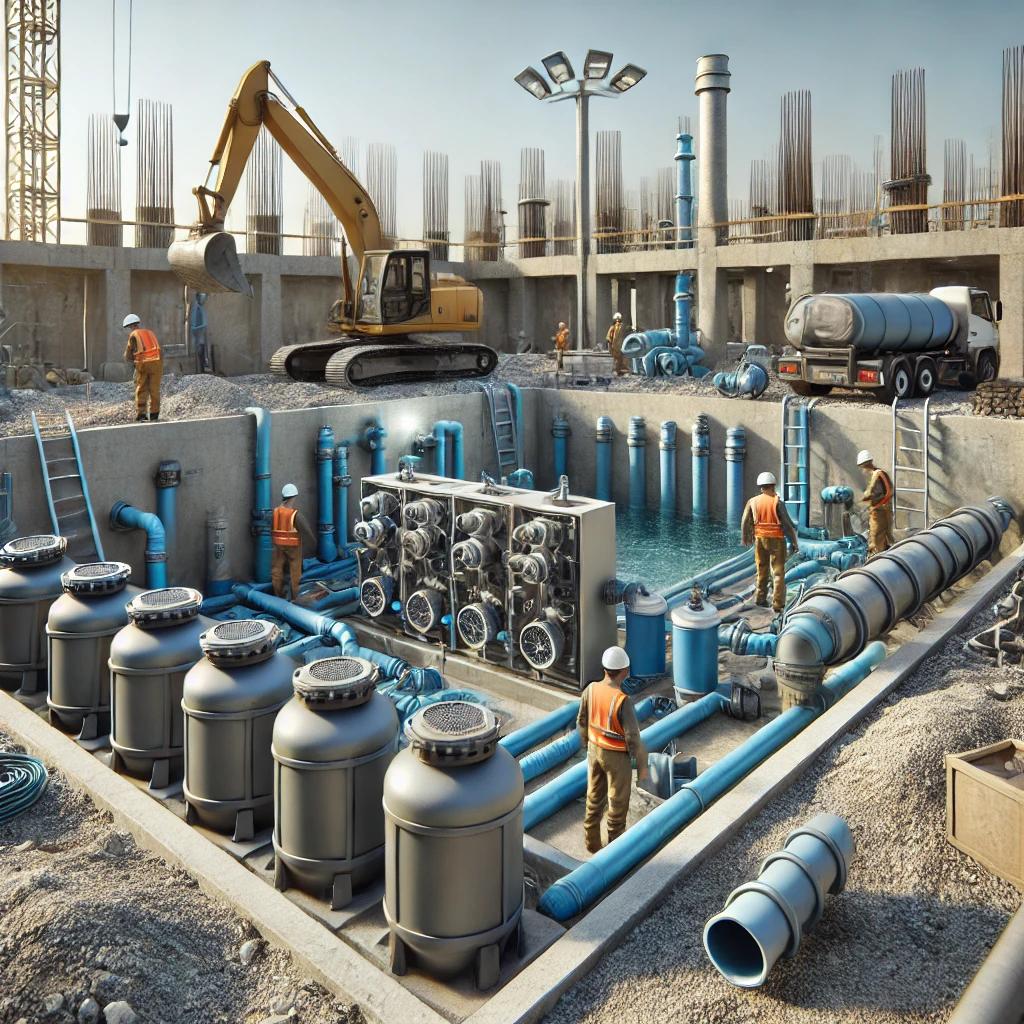
1. Introduction to Pool Construction and Filtration System
Pool construction is a blend of aesthetics and functionality. To maintain a healthy and hygienic swimming environment, a proper filtration system is essential. This guide covers everything from pool construction stages to water filtration systems in detail.
2. Types of Pools and Their Uses
Pools can be categorized based on their purpose and structure:
- Indoor and outdoor pools
- Private and commercial pools
- Thermal and natural pools
- Swimming pools, decorative pools, and spa pools
Each pool type requires different construction and filtration techniques.
3. Materials Used in Pool Construction
The main materials used in pool construction include:
- Concrete (Most durable but expensive)
- Fiberglass (Quick installation, low maintenance)
- Vinyl liners (Cost-effective but less durable)
- Stainless steel and composite materials
Each material has its advantages and disadvantages.
4. Step-by-Step Pool Construction Process
The construction of a swimming pool involves the following steps:
- Project planning and design
- Excavation and foundation preparation
- Waterproofing and concrete pouring
- Coating and insulation
- Installation of filtration and plumbing systems
- Filling the pool with water and testing
Each stage must be carefully executed to ensure durability and functionality.
5. Concrete vs. Prefabricated Pools: Pros and Cons
- Concrete pools: Durable and customizable but expensive.
- Prefabricated pools: Quick installation and budget-friendly but less long-lasting.
Choosing between them depends on budget and usage expectations.
6. Pool Insulation and Waterproofing Against Leaks
Water leaks are among the most common pool problems. To prevent them:
- Use polyurethane and epoxy-based waterproofing materials.
- Apply waterproof concrete to enhance durability.
- Check and maintain joint sealants regularly.
7. Pool Filtration Systems and How They Work
Filtration systems keep pool water clean and safe. The most common types are:
- Sand filters: Widely used but require frequent maintenance.
- Cartridge filters: Less water waste but need regular replacement.
- Diatomaceous earth filters: Best filtration quality but costly.
The right system depends on pool size and usage frequency.
8. Pool Water Disinfection: Chlorine, Saltwater, and UV Systems
Different disinfection methods ensure pool water hygiene:
- Chlorine-based systems (Affordable but may cause odor issues)
- Saltwater systems (Natural and skin-friendly but high initial cost)
- UV disinfection systems (Reduce chemical use but need additional systems)
9. Pool Maintenance and Periodic Cleaning Program
Regular maintenance is essential for a clean and healthy pool:
- Daily surface cleaning
- Weekly pH and chlorine level checks
- Monthly filtration system maintenance and pipe cleaning
Neglecting these tasks can lead to poor water quality.
10. Cost Analysis of Pool Construction and Filtration Systems
The cost of pool construction depends on several factors:
- Pool size and material type
- Filtration system capacity and type
- Additional features (lighting, heating, automatic cleaning systems)
On average, concrete pools cost between $15,000 - $50,000, while prefabricated pools range from $5,000 - $20,000.
Conclusion
Choosing the right pool construction and filtration system is crucial for long-term water quality and operational costs. With proper planning and high-quality materials, a durable and hygienic swimming pool can be achieved.