Turkish Hammam: Its History, Culture, and Benefits
Turkish Bath (Hammam): A Comprehensive Guide to Its History, Culture, and Benefits
| Heading | Subheadings |
|---|---|
| 1. Introduction: What is a Turkish Bath? | - General definition of the hammam - Its significance in Turkish culture |
| 2. The History of the Turkish Bath | - The evolution from the Ottoman era to the present - Influence of Roman and Byzantine baths - The social importance of hammams in the Ottoman Empire |
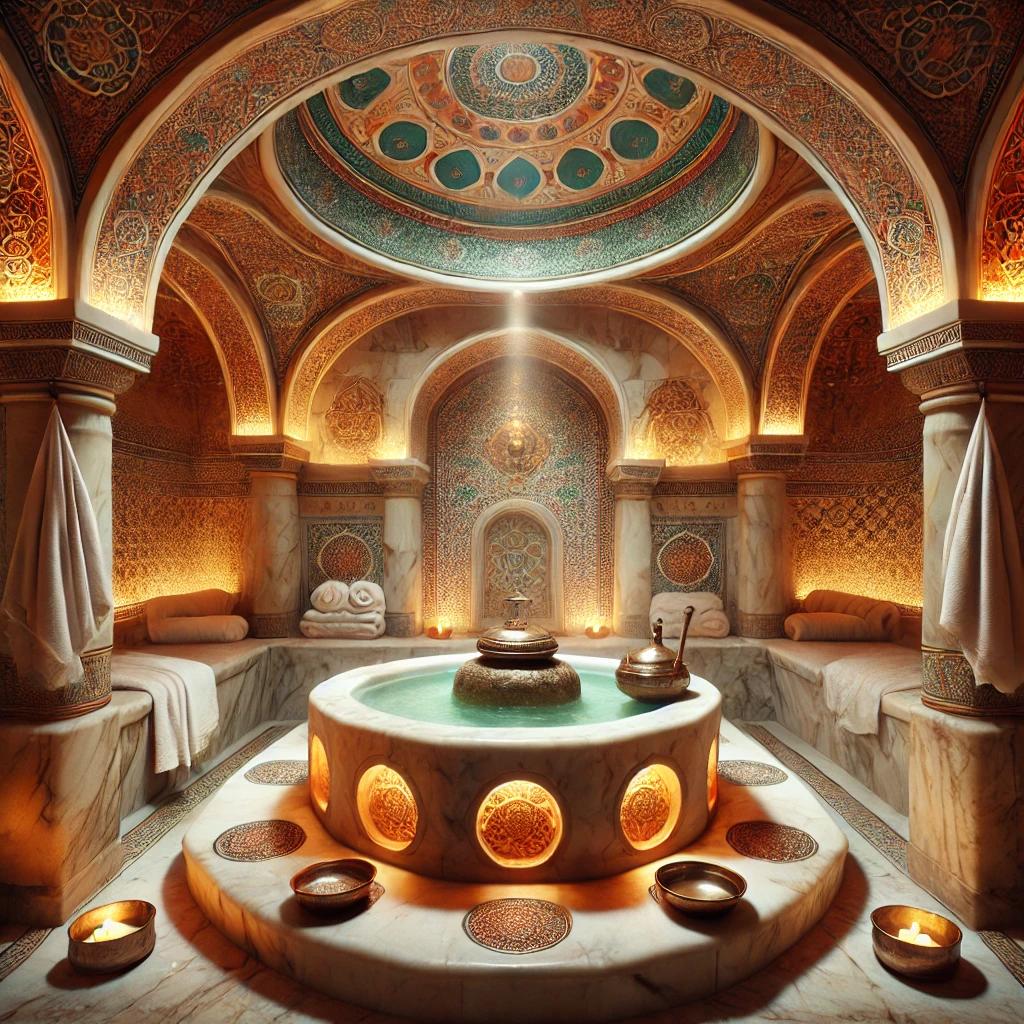
| 3. Architectural Structure of Turkish Hammams | - Traditional hammam design - Cold, warm, and hot sections - The central marble stone and water basins |
| 4. Traditional Rituals in a Turkish Bath | - Use of peştemal (traditional wrap) and kese (scrub) - The hammam bowl and water-pouring tradition - The massage and scrubbing ritual |
| 5. Health Benefits of the Turkish Bath | - Effects on skin health - Muscle relaxation and stress relief - Detox effects and benefits for the immune system |
| 6. Peştemal and Soap Usage in Hammam Culture | - Traditional peştemal varieties - The importance of natural soaps |
| 7. The Effect of Steam and Heat in the Turkish Bath | - Balancing body temperature - Effects of steam on the respiratory system |
| 8. Differences Between Turkish Hammam, SPA, and Sauna | - Comparison with saunas and steam baths - Similarities and differences from SPA culture |
| 9. The Role of Hammam Culture in Social Life | - The historical role of hammams in social life - The modern significance of Turkish baths |
| 10. Famous Turkish Hammams to Visit in Turkey | - Historic hammams in Istanbul - Other important hammams in Anatolia |
| 11. Turkish Hammam Tourism and Foreign Interest | - The rise of hammam tourism - The interest of foreign tourists in Turkish baths |
| 12. Traditional Hammam Day Culture | - Bridal hammam before weddings - Baby bath rituals and other traditions |
| 13. Natural Products Used in Turkish Hammams | - Rosewater, lavender, and natural scrubbing products - Hammam skincare recommendations |
| 14. How to Experience a Turkish Bath Properly? | - Tips for first-time visitors - Hammam etiquette and rules |
| 15. Conclusion: Preserving Turkish Hammam Culture | - The importance of maintaining hammam culture - The future of modern Turkish baths |
Turkish Hammam: Its History, Culture, and Benefits
1. Introduction: What is a Turkish Bath?
A Turkish bath, or hammam, is a centuries-old cleansing and relaxation tradition dating back to the Ottoman Empire. It is much more than a place for bathing; it is a center for wellness, socialization, and purification. Even Ottoman sultans regularly visited hammams for their health benefits.
2. The History of the Turkish Bath
Turkish baths evolved from Roman and Byzantine bathing traditions but were transformed into a uniquely Ottoman experience. By the 16th and 17th centuries, grand hammams were constructed with impressive architectural designs, serving both the elite and the public.
3. Architectural Structure of Turkish Hammams
A traditional Turkish hammam consists of three main sections:
- Cold Room (Camekan): The entrance area where visitors undress and relax.
- Warm Room (Ilıklık): A transition area that helps the body adapt to heat.
- Hot Room (Hararet): The main bathing area with steam, hot water, and the central göbek taşı (heated marble platform).
4. Traditional Rituals in a Turkish Bath
Hammam rituals involve a unique set of cleansing practices:
- Wearing a peştemal: A special cotton wrap worn in the hammam.
- Scrubbing with a kese: A rough exfoliating mitt used to remove dead skin.
- Relaxing on the göbek taşı: A heated marble platform where visitors unwind and receive massages.
5. Health Benefits of the Turkish Bath
- Improves skin health: Opens pores, removes toxins, and exfoliates the skin.
- Relieves muscle tension: Heat and steam help relax muscles and reduce stress.
- Boosts immunity: Enhances blood circulation and promotes detoxification.
6. Differences Between Turkish Hammam, Sauna, and SPA
Unlike saunas, which use dry heat, Turkish hammams provide a high-humidity steam environment. While saunas focus on sweating, hammams involve bathing with water. SPAs, on the other hand, often incorporate modern treatments like aromatherapy and hydrotherapy.
7. Famous Turkish Hammams to Visit in Turkey
- Çemberlitaş Hammam (Istanbul)
- Cağaloğlu Hammam (Istanbul)
- Historical Karaköy Hammam (Istanbul)
- Old Thermal Bath (Bursa)
❓ Frequently Asked Questions (FAQs)
1. What should I wear in a Turkish bath?
Visitors typically wear a peştemal (traditional towel wrap).
2. Is scrubbing mandatory in a hammam?
No, but it is recommended for a deep cleansing experience.
3. Are there any health risks associated with Turkish baths?
People with high blood pressure should consult a doctor before visiting a hammam.
4. What natural products are used in a Turkish bath?
Olive oil soap, rosewater, and lavender oil are commonly used.
5. How long should a hammam session last?
A typical session lasts between 1 to 2 hours.
6. Are Turkish hammams popular among foreigners?
Yes, many tourists seek out Turkish hammams for their unique experience.