UV Water Treatment System: Safe & Chemical-Free Disinfection
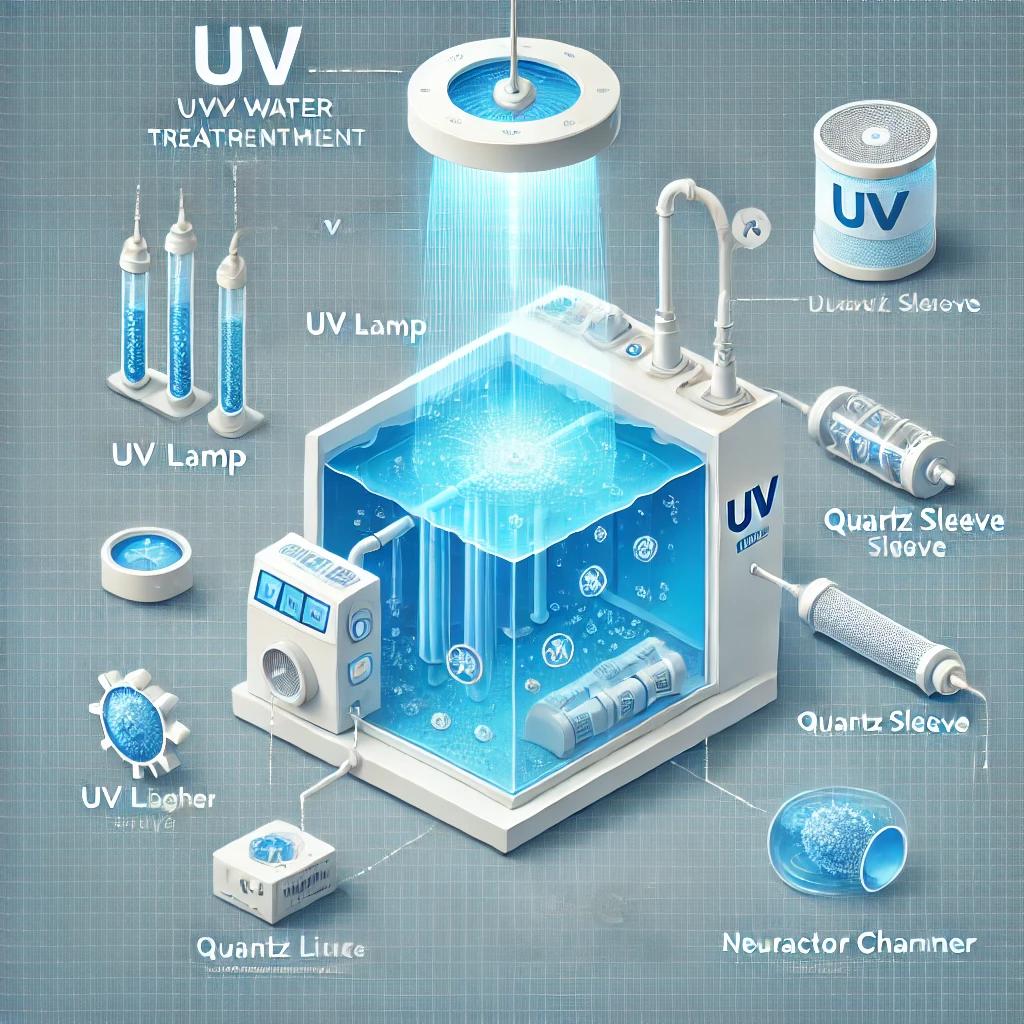
UV (ultraviolet) water treatment is one of the most effective technologies for ensuring microbiologically safe drinking water. UV water treatment systems emit germicidal ultraviolet light to neutralize harmful microorganisms, including bacteria, viruses, and parasites, without altering the taste or adding chemicals to the water. This technology is particularly beneficial for homes reliant on well water, areas with boil water advisories, or those seeking an eco-friendly alternative to chemical treatment.
What is a UV Light Water Treatment?
An ultraviolet (UV) water treatment is a disinfection method that uses UV light to target harmful microorganisms like bacteria, viruses, and parasites such as Cryptosporidium and Giardia. The UV light emits a germicidal wavelength that penetrates the microorganisms' DNA, rendering them unable to reproduce or cause illness. This chemical-free process is effective, eco-friendly, and preserves the natural taste of the water.
How Does UV Water Treatment Work?
A UV water system exposes living organisms like bacteria, viruses, or cysts (such as Cryptosporidium and Giardia) to a germicidal ultraviolet wavelength. At 254 nm, UV radiation disrupts the DNA of pathogenic microorganisms, preventing reproduction.
Step-by-Step Process:
-
A UV lamp emits UV-C light at a wavelength of approximately 254 nanometers.
-
Contaminated water flows into a specially designed reactor chamber.
-
UV-C light penetrates the cells of microorganisms in the water.
-
The light damages the DNA and RNA of pathogens, neutralizing their ability to reproduce.
-
A sufficient UV dosage effectively inactivates most microorganisms in the water.
Components of a UV Water System
-
UV Lamp: Generates the germicidal UV-C light.
-
Quartz Sleeve: Protects the lamp from direct contact with water while allowing optimal UV transmission.
-
Reactor Chamber: The enclosure where water flows around the UV lamp for maximum exposure.
-
Power Supply Unit (Ballast): Regulates the electrical current to the UV lamp, ensuring consistent performance.
-
Pre-filter: Removes sediments and particles, ensuring clear water for effective UV penetration.
-
Flow Control (Optional): Maintains the correct water flow rate to provide sufficient UV exposure time.
Effectiveness of UV Water Treatment Systems
UV water systems eliminate up to 99.99% of harmful bacteria, viruses, and parasites. Unlike filters, UV systems do not produce wastewater or leave debris behind, making them a clean and environmentally friendly solution. UV disinfection is particularly advantageous because it is chemical-free, preserving the natural taste and quality of the water.
Microorganisms Eliminated by UV Treatment:
-
Cryptosporidium
-
Giardia
-
Dysentery Bacilli
-
Salmonella
-
Mycobacterium Tuberculosis
-
Streptococcus
-
E. coli
-
Hepatitis B
-
Cholera
-
Algae and Fungi
-
Some Viruses
Contaminants UV Treatment Does Not Remove:
-
Sediment
-
Heavy Metals
-
Pesticides and Herbicides
-
Volatile Organic Compounds (VOCs)
-
Chlorine and Chloramines
-
Salts and Minerals
-
Nitrates
-
Taste and Odor
Types of UV Water Systems
Point-of-Use (POU) UV Systems
Installed at a single water outlet, such as a kitchen faucet, for drinking and cooking water treatment.
Point-of-Entry (POE) or Whole-House UV Systems
Treat all water entering the home, providing disinfection for every faucet and appliance. These systems are ideal for homes using well water.
Portable UV Water Systems
Small, battery-operated, or USB-rechargeable devices designed for travel, camping, or emergencies.
UV Systems with Multi-Stage Filtration
Combine UV light with sediment or carbon filters for comprehensive water treatment.
Advantages of UV Water Treatment
-
Eliminates bacteria and viruses effectively
-
Chemical-free disinfection
-
Preserves water’s natural taste
-
Easy to maintain (Annual UV lamp replacement required)
-
Environmentally friendly (No wastewater or chemical by-products)
-
Provides safe drinking water during emergencies
Disadvantages of UV Water Treatment
-
Does not remove particles or chemicals (Requires pre-filtration for sediments, iron, or hardness)
-
Water may be warm if left stagnant in the system
-
Depends on electricity (Not functional during power outages unless a backup generator is available)
-
Water must be clear for optimal effectiveness (Pre-filtration required for cloudy or turbid water)
Choosing the Right UV System
1. Measure Your Water Flow Rate
The system size should match your household’s peak water demand, measured in gallons per minute (GPM).
2. Consider Water Quality
Turbidity, sediment levels, and microbial load determine if pre-filtration is needed.
3. Select the Appropriate UV Dose
Systems are rated by the UV-C dose delivered at specific flow rates (measured in millijoules per square centimeter - mJ/cm²). Well water typically requires 40 mJ/cm² for effective disinfection.
4. Determine System Type
-
Point-of-Entry for whole-house disinfection
-
Point-of-Use for drinking water
-
Portable UV for travel or emergency use
Installation and Maintenance Tips
-
Install the system near the main water line for whole-house UV treatment.
-
Ensure a grounded power supply and use a surge protector.
-
Clean the quartz sleeve every 6-12 months to maintain UV efficiency.
-
Replace the UV lamp annually as its effectiveness declines over time.
-
Use a sediment filter to remove particles before water enters the UV chamber.
Cost of UV Water Systems
Residential UV systems range from $150 to $500, while commercial units can cost $1,000 to $5,000+ depending on capacity and features.
UV water treatment is a reliable, chemical-free solution for ensuring safe drinking water, particularly in areas prone to microbial contamination. By selecting the right system and maintaining it properly, you can enjoy clean, safe water with minimal effort.