Water Softening Systems: Benefits and Applications
Advantages of Water Softening Systems
Water softening systems are designed to reduce water hardness, making it more suitable for domestic and industrial use. Hard water contains high levels of calcium and magnesium ions, which can lead to various issues. By removing these ions, water softening systems ensure more efficient and long-lasting water use in homes and industrial facilities.
1. Advantages in Domestic Use
a. Extends the Lifespan of Household Appliances
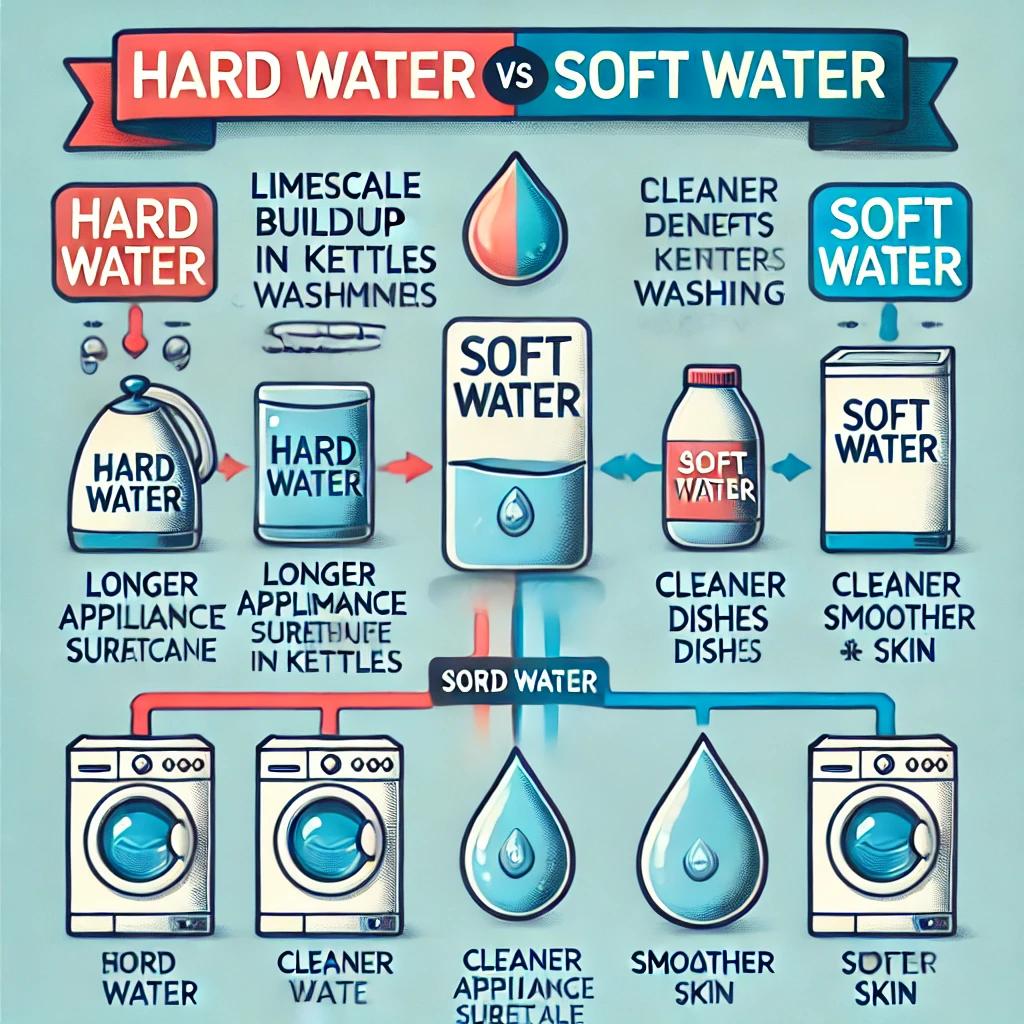
Hard water causes limescale deposits in household appliances, reducing their efficiency and lifespan. Water softening systems prevent scale buildup in water heaters, washing machines, dishwashers, and coffee makers, ensuring their longevity and reducing maintenance costs.
b. Improves Cleaning and Hygiene
Soft water interacts better with soap and detergents, leading to more effective cleaning. It results in softer and cleaner laundry, spotless dishes, and smoother, more hydrated skin. Additionally, limescale and soap scum do not accumulate on bathroom and kitchen surfaces, making cleaning easier.
c. Increases Energy Efficiency
Water-using appliances consume more energy when limescale buildup occurs, as it hinders heat transfer. Water softening systems prevent this buildup, improving energy efficiency and lowering energy bills.
2. Advantages in Industrial Use
a. Enhances Production Efficiency
In industrial facilities, water plays a crucial role in various production processes. Hard water can cause scale accumulation in pipes and equipment, reducing operational efficiency. Water softening systems prevent these issues, ensuring seamless production processes.
b. Reduces Maintenance Costs
Scale buildup leads to frequent maintenance requirements for industrial equipment and pipelines. Water softening systems reduce such accumulations, decreasing maintenance costs and extending the lifespan of equipment. This helps businesses save on maintenance and repair budgets.
c. Improves Product Quality
Some industrial processes are highly sensitive to water quality. Hard water can negatively impact product quality. For instance, in textile and dyeing industries, hard water may cause fading and stiffening of fabrics. Water softening systems enhance water quality, improving the final product.
3. Environmental and Economic Benefits
a. Reduces Water Consumption
Soft water enhances the efficiency of soaps and detergents, requiring less cleaning product and water usage. This helps conserve water resources and lower water bills. Additionally, reduced detergent use results in less chemical waste, benefiting the environment.
b. Optimizes Wastewater Management
During the treatment of hard water, limescale deposits can accumulate in wastewater systems, leading to blockages and system failures. Water softening systems prevent such issues, making wastewater management more efficient and providing both environmental and economic advantages.
c. Saves Energy
Improved energy efficiency leads to lower energy consumption and a reduced carbon footprint. Water softening systems contribute to environmental sustainability by minimizing energy use. Additionally, lower energy costs provide significant economic benefits for both residential and industrial users.
4. Health and Comfort
a. Enhances Skin and Hair Health
Hard water can cause skin and hair dryness and irritation. Soft water cleanses, hydrates, and maintains softness, making it particularly beneficial for individuals with sensitive skin and children.
b. Improves Beverage and Food Quality
Soft water enhances the taste of beverages and food. Coffee, tea, and other drinks taste better with soft water. Additionally, the absence of limescale improves the quality of water used in cooking, leading to tastier and more nutritious meals.
Water softening systems offer numerous advantages for both domestic and industrial applications. Benefits include improved energy efficiency, extended appliance lifespan, enhanced cleanliness and hygiene, increased production efficiency, reduced maintenance costs, environmental benefits, and improved health and comfort. These systems promote more efficient and sustainable water use, providing significant economic and environmental advantages. Water treatment and purification systems enhance water quality, significantly improving quality of life and industrial productivity.