What is a Booster Pump? Working Principle and Usage Areas
What is a Booster Pump and What is its Purpose?
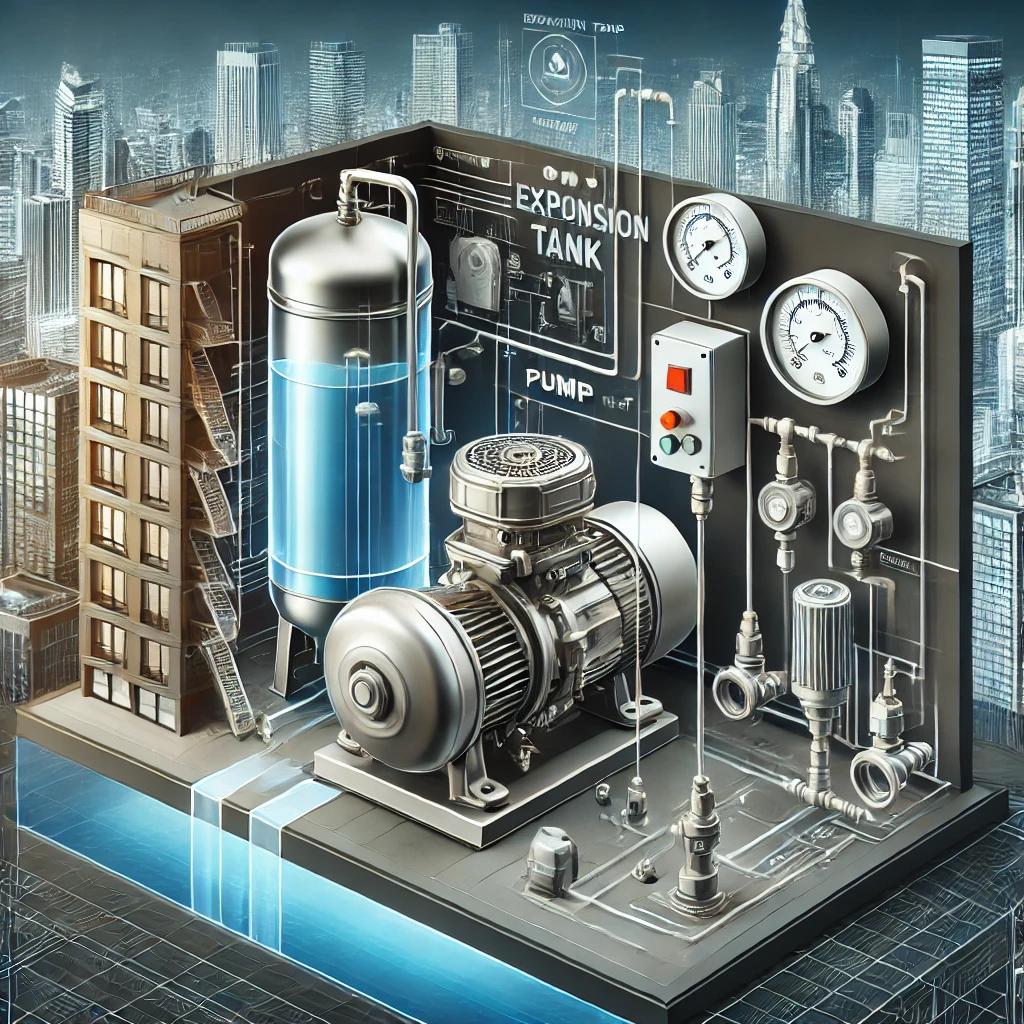
Commonly known as "water pressurization," a booster pump is a system used in places where water pressure is insufficient. It is primarily utilized in buildings, detached houses, residential complexes, and high-rise structures to meet the demand for pressurized water. Booster pumps typically operate on electricity and enhance the pressure of tap water. They include an expansion tank, which helps pump water in areas where the mains water supply is inadequate.
Booster pumps can be connected directly to the mains water supply or a separate network. However, if linked solely to the mains, they become ineffective when the water supply is interrupted. While they are mainly used for water pressurization, they also serve to pump water from storage tanks to buildings.
What is a Hydromat Booster Pump?
A hydromat is a component attached to pumps that transforms them into booster pumps without requiring additional processors. Hydromats are easy to use as they do not require maintenance or adjustments. They are also quiet, simple to install, and do not cause dampness or unpleasant odors in the water. Once a pump is fitted with a hydromat, it is referred to as a booster pump.
Working Principle of a Membrane Booster Pump
Booster pumps are automatic systems that activate when the mains water supply is insufficient. They pressurize water in the storage tank with air and pump it to distant locations. The selection of a booster pump should be based on specific requirements, ensuring it provides the necessary pressure to deliver water effectively. The system comprises not only the pump and water tank but also additional components, including:
- Globe Valve: Used to cut off water flow.
- Check Valve: Prevents reverse water flow when pressure drops.
- Manometer: Measures system pressure.
- Safety Switch: Releases excess pressure for system safety.
- Solenoid Valve: Controls air intake according to the water level.
- Pressure Switch: Regulates pump operation based on tank pressure.
Booster Pump Hazards and Maintenance
As booster pumps operate with electricity and pressure, safety measures must be taken to prevent hazards. However, when maintained and used according to the manufacturer's guidelines, they function safely.
Key maintenance tips:
- Regularly inspect electrical panels, as they are crucial for protection and operation sequencing.
- Check the air settings of the booster tank every 2-3 months to prevent failures.
- When selecting a booster pump, consider factors such as the number of apartments, building height, location of the storage tank, and pipeline structure.
Common booster pump failures:
- Continuous operation due to an issue with the expansion tank or check valve.
- Activation due to a mains water supply cut.
- Air pressure-related problems requiring expert assistance.
Types of Booster Pumps
Booster pumps are categorized into three main types:
- Automatic Air-Supplying Booster Pumps: These generate their own air and are commonly used in small apartment buildings and industrial facilities.
- Compressor-Based Booster Pumps: Typically used in large facilities where standard air-charging devices are insufficient.
- Membrane Pressure Equalizing Tank Booster Pumps: Found in compact booster systems, these have small tank capacities ranging from a few liters to 20-25 liters and are mainly used in residential areas.
Booster pumps are essential for maintaining steady water pressure and ensuring efficient water distribution in various settings.