What is a Foot Valve?
2024-12-27 15:44:43
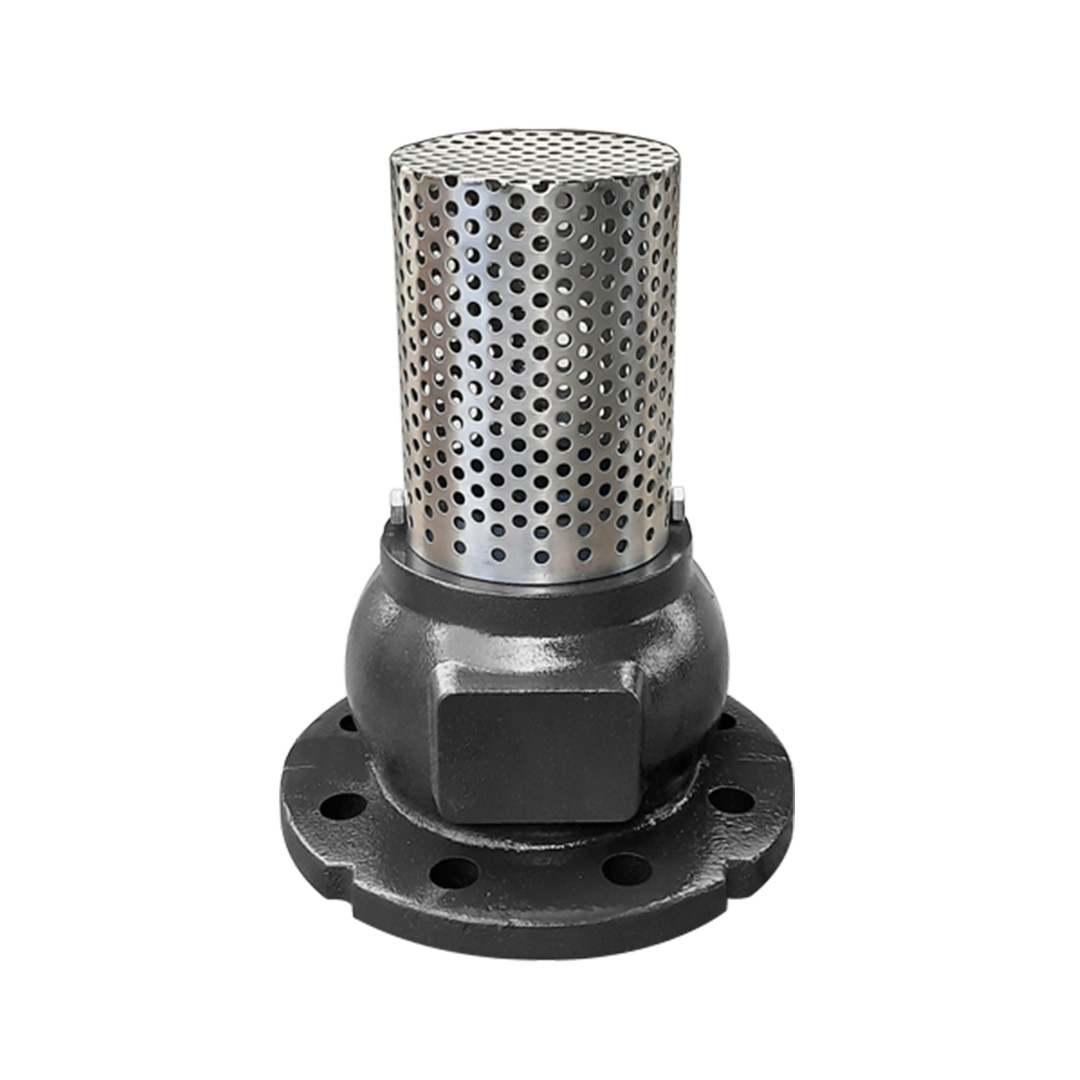
In this article, we will answer the question, "What is a foot valve?" Foot valves provide multiple functional benefits in pumps and hydropressors.
What is a Foot Valve?
A foot valve is a plumbing component used in pump and booster systems to prevent water from flowing back. It combines the functionality of a filter and a check valve. The valve consists of a cylindrical body housing a valve flap, a rod that holds the flap in place, a cap, and a strainer. Foot valves are installed vertically on the suction side of pumps, with the flow direction facing upward.
What Does a Foot Valve Do?
Foot valves provide various functional benefits in pump and booster systems:
- Deep Suction: In deep suction pumps, the foot valve keeps water in the reservoir when the pump is off, preventing the pump from running dry.
- Filtration: Strainer-equipped foot valves act as filters, allowing clean fluid to enter the pump.
- Debris Prevention: The strainer prevents harmful particles and debris from entering the system, protecting the pump.
- Prevents Air Entrapment: It ensures centrifugal pumps and boosters operate without airlocks.
- Water Conservation and Reduced Pressure Loss: The spring mechanism ensures quick response, reducing water wastage and minimizing pressure loss.
Applications of Foot Valves
Foot valves are widely used in various systems:
- Prevention of Fluid Backflow: Ideal for systems where backflow prevention is critical.
- Clean Water Lines: Suitable for clean water lines but not for sewage or dirty water systems.
- Reservoir and Pump Suction Lines: Perfect for systems requiring high flow rates and full passage.
With regular cleaning of the strainer sections, foot valves can provide reliable performance for many years.
Types of Foot Valves
Foot valves are categorized based on connection size and material type:
- Sizes: Available in a range of sizes from 1 inch to 6 inches.
- Material Types: Manufactured from durable materials such as plastic, brass, or stainless steel.