What is Pump Head (Hm)?
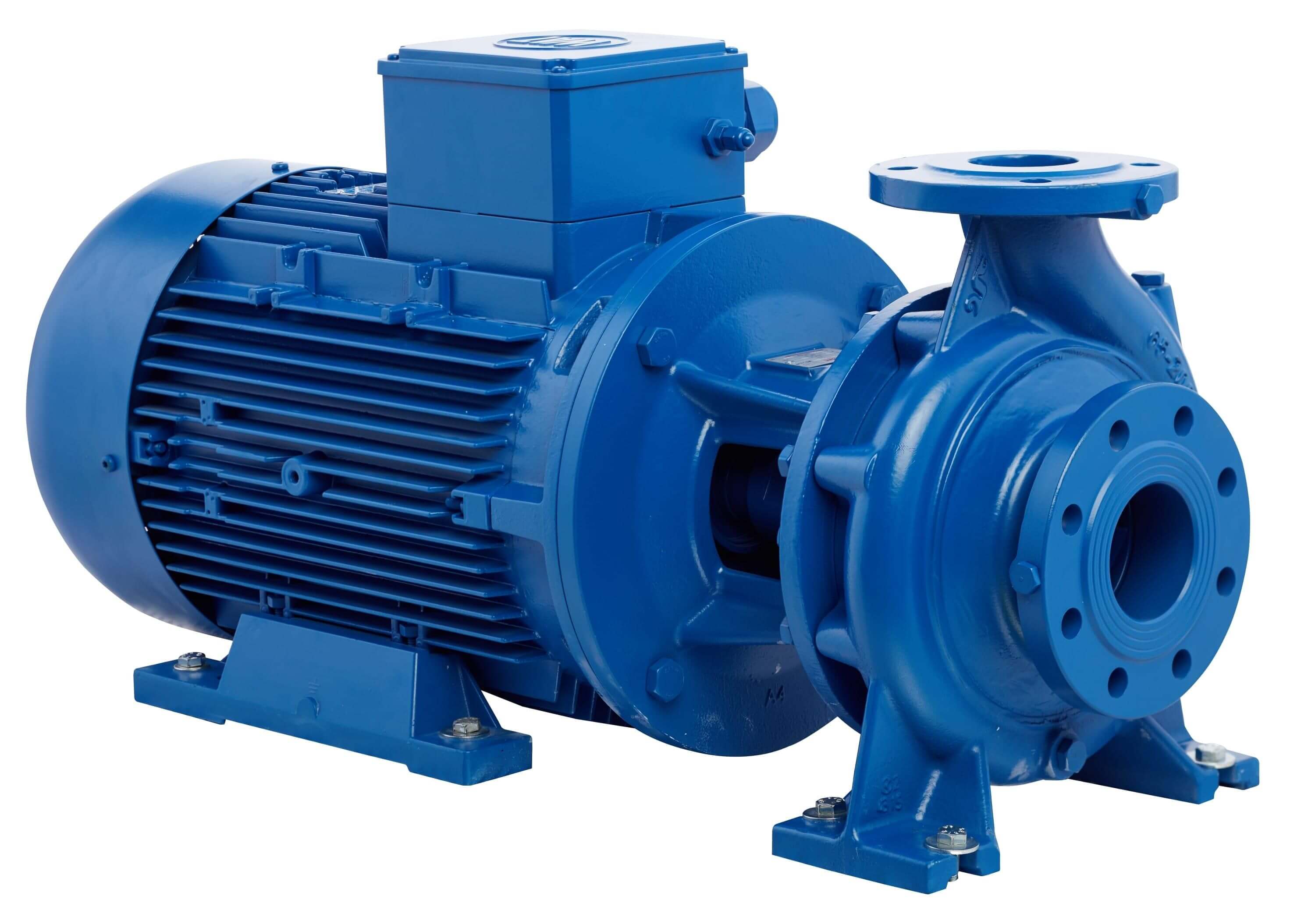
What is Head (Hm)?
Head (Hm) represents the total work performed by a pump for a specific fluid. It is typically calculated using the formula:
Hm = Hstatic + Hpipe_losses + Hflow (mWC)
Where:
- Hstatic: The static height required to move the fluid vertically.
- Hpipe_losses: Pressure losses due to friction within the pipes.
- Hflow: Additional losses associated with the movement of the fluid within the system.
The head varies depending on the type of pump application. For instance, in a booster system, the head is calculated to determine the height to which water needs to be pumped, while in circulation pumps, maintaining the flow within the system is the primary focus.
Importance of Head
Head is a critical parameter for selecting and designing an appropriate pump system. Incorrect head calculations can lead to reduced system efficiency and increased energy consumption. Factors such as pipe diameter, pipe length, and the fluid's characteristics directly affect the head requirements.
Applications
Head is widely used in various fields, from water supply to heating and cooling systems. Industrial facilities that involve fluid transfer and cooling systems in power plants are prime examples requiring accurate head calculations. Proper calculation not only enhances system performance but also optimizes costs, ensuring efficient operation.