What Is Water Pollution? Causes, Consequences, and Prevention
What Is Water Pollution? Causes, Consequences, and Prevention
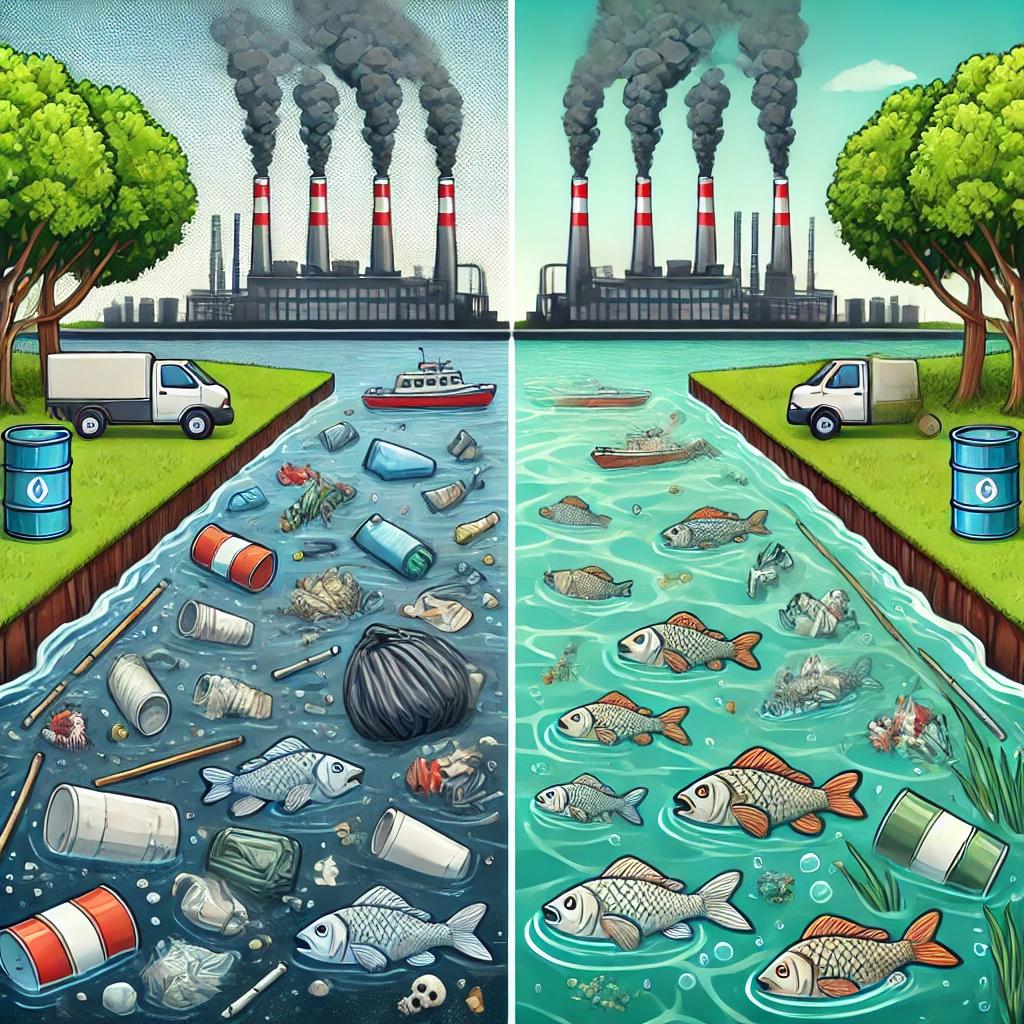
Water pollution is one of today’s most critical environmental issues, posing serious threats to human health and ecosystems. It not only affects water resources but also disrupts marine life and ecological balance. So, what exactly is water pollution, and how can it be prevented? This article will explore its causes, consequences, and preventive measures.
What Is Water Pollution?
Water pollution refers to the contamination of rivers, lakes, oceans, and groundwater with harmful substances such as chemical waste, plastics, and radioactive materials resulting from human activities. This disruption harms both aquatic life and human health.
Causes of Water Pollution
The main causes of water pollution include:
- Domestic Wastewater
- Industrial Factory Waste
- Agricultural Activities (Pesticides and Fertilizers)
- Septic Tank Leaks
- Oil Spills
- Animal Waste
- Chemical Substances
- Unsorted Garbage
- Global Warming
- Plastic Pollution
- Radioactive Waste
- Pesticides and Fertilizers
- Air Pollution
Consequences of Water Pollution
Water pollution negatively impacts both human health and the environment, also resulting in high economic costs for mitigation.
Effects on Human Health
Water pollution introduces invisible threats like bacteria, viruses, parasites, and chemicals. According to the World Health Organization (WHO), over 1 billion people suffer from waterborne diseases annually, accounting for 1.4% of global deaths.
Waterborne Diseases
- Typhoid
- Bacillary Dysentery
- Cholera
- Malaria
- Hepatitis A and E
- Gastroenteritis
- Eczema
- Psoriasis
Effects on the Environment
Water pollution disrupts ecosystems and biodiversity. Chemical pollutants evaporate and return as acid rain, contaminating soil and harming plants and trees. This reduces oxygen production, accelerates global warming, and causes drought, deforestation, and severe ecological destruction.
How to Prevent Water Pollution
Both individuals and communities can take the following measures to prevent water pollution:
- Adopt conscious water use and conservation habits
- Reduce plastic consumption (e.g., water jugs, plastic bags)
- Limit the use of chemical cleaning products
- Use water purification devices for drinking water
- Sort and recycle waste (paper, glass, plastic, batteries)
- Implement greywater treatment systems in buildings and industries
- Raise awareness about water pollution
- Support legal regulations for water resource protection